American Literature
-
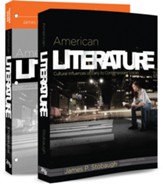 Dr. James StobaughMaster Books / 2016 / Trade PaperbackOur Price$67.984.6 out of 5 stars for American Literature Pack, 9th-12th Grade, 2 Volumes. View reviews of this product. 9 Reviews
Retail Price$84.98Save 20% ($17.00)Availability: Expected to ship on or about 11/12/26.Stock No: WW517758
Encourage students to think critically and biblically about literature.
Arranged chronologically, multiple genres of literature are integrated throughout the year, including spirituals, poetry, diary entries, letters, and literature. Developed as a "rhetoric-level" course, this curriculum will stretch students' critical thinking skills as they apply their own thoughts to original content.
Chapter-units begin with "first thoughts" from the author as well as chapter objectives. Individual daily lessons include an introduction to the work and author, as well as a list of assignments that include a warm-up, essay instructions, "concept builder" exercises that emphasize vital concepts, assigned readings, and tests. Student essays are also included for students to see how others responded. An evangelical perspective on authors' worldviews, the culture war, and a Christian response to literature, is woven throughout the curriculum. Works by Anne Bradstreet, Washington Irving, Edgar Allen Poe, and others are included in-text, while other books must be obtained separately.
American Literature is a 34 week program. Weekly chapters include 5 daily lessons (45-60 minutes each). High School level.
"History Connections" provide links between this curriculum and James Stobaugh's history curriculum. The history curriculum is not required to use this curriculum. Please note that this edition does contain "typos."
The teacher's guide includes answer keys for the concept builders and tests, as well as weekly essay choices and summary answers. Weekly tests to give students are also included. Chapter intro pages with the introduction, objectives, and "reading ahead" assignments from the student text are included, though student reading assignments are not.
This kit includes:
- American Literature Teacher Guide, 359 three-hole-punched pages, softcover.
- American Literature Student Text, 542 pages, softcover.
For a list of required literature needed to use this course, please see the More Information PDF.
Please Note:Covers May Vary, Content is Identical.
-
 James StobaughMaster Books / 2012 / Trade PaperbackOur Price$40.794.1 out of 5 stars for American Literature: Cultural Influences of Early to Contemporary Voices, Student Book. View reviews of this product. 11 Reviews
Retail Price$50.99Save 20% ($10.20)Availability: Expected to ship on or about 11/12/26.Stock No: WW516713

A well-crafted presentation of whole-book or whole-work selections from the major genres of classic literature (prose, poetry, and drama), each course has 34 chapters representing 34 weeks of study, with an overview of narrative background material on the writers, their historical settings, and worldview.
-
 James StobaughMaster Books / 2012 / Trade PaperbackOur Price$27.194.0 out of 5 stars for American Literature: Cultural Influences of Early to Contemporary Voices, Teacher Guide. View reviews of this product. 7 Reviews
Retail Price$33.99Save 20% ($6.80)Availability: In StockStock No: WW516720

An easy-to-use teacher's guide outlines student objectives with each chapter, providing the answers to the assignments and weekly exercises. The final lesson of the week includes both the exam, covering insights on the week's chapter, as well as essays developed through the course of that week's study, chosen by the educator and student to personalize the coursework for the individual learner.
British Literature
A well-crafted presentation of whole-book or whole-work selections from the major genres of classic literature (prose, poetry, and drama), each course has 34 chapters representing 34 weeks of study, with an overview of narrative background material on the writers, their historical settings, and worldview.
An easy-to-use teacher's guide outlines student objectives with each chapter, providing the answers to the assignments and weekly exercises. The final lesson of the week includes both the exam, covering insights on the week's chapter, as well as essays developed through the course of that week's study, chosen by the educator and student to personalize the coursework for the individual learner.
World Literature
-
 Master Books / 2016 / Trade PaperbackOur Price$67.983.0 out of 5 stars for World Literature Pack, 9th-12th Grade, 2 Volumes. View reviews of this product. 2 Reviews
Retail Price$84.98Save 20% ($17.00)Availability: In StockStock No: WW517761

Encourage students to think critically and biblically about world literature.
The student text is arranged chronologically with multiple genres of literature integrated throughout the year, including classical works, spiritual literature, poems, church history, and literature. Developed as a "rhetoric-level" course, this curriculum will stretch students' critical thinking skills as they apply their own thoughts to original content.
Chapter-units begin with "first thoughts" from the author as well as chapter objectives. Individual daily lessons include an introduction to the work and author, as well as a list of assignments that include a warm-up, essay instructions, "concept builder" exercises that emphasize vital concepts, assigned readings, and tests. Student essays are also included for students to see how others responded. An evangelical perspective on authors' worldviews, the culture war, and a Christian response to literature, is woven throughout the curriculum. Some short stories and poems are included in-text, while other books must be obtained separately. Works covered include Herodotus' "Histories," Plato's "Republic," Augustine's "Confessions," Dostoevsky's "Crime and Punishment," Camus' "The Stranger," and more.
World Literature is a 34 week program. Weekly chapters include 5 daily lessons (45-60 minutes each). High School level.
"History Connections" provide links between this curriculum and James Stobaugh's history curriculum. The history curriculum is not required to use this c urriculum.
The teacher's guide is comprised of loose-leaf pages are designed to be placed into a (not included) three -ring-binder for easy grading. Answer keys for the concept builders and tests are included, as well as weekly essay choices and summary answers. Weekly tests to give students are also included. Chapter intro pages with the introduction, objectives, and "reading ahead" assignments from the student text are included, though student reading assignments are not.
This set includes:
- Student Book, 496 pages, softcover.
- Teacher Guide, 353 loose-leaf, three-hole-punched pages.
-
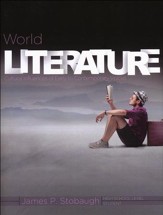 James StobaughMaster Books / 2012 / Trade PaperbackOur Price$40.793.3 out of 5 stars for World Literature: Cultural Influences of Early to Contemporary Voices, Student Book. View reviews of this product. 3 Reviews
Retail Price$50.99Save 20% ($10.20)Availability: In StockStock No: WW516751
A well-crafted presentation of whole-book or whole-work selections from the major genres of classic literature (prose, poetry, and drama), each course has 34 chapters representing 34 weeks of study, with an overview of narrative background material on the writers, their historical settings, and worldview.
-
 James StobaughMaster Books / 2012 / Trade PaperbackOur Price$27.19
Retail Price$33.99Save 20% ($6.80)Availability: In StockStock No: WW516758

An easy-to-use teacher's guide outlines student objectives with each chapter, providing the answers to the assignments and weekly exercises. The final lesson of the week includes both the exam, covering insights on the week's chapter, as well as essays developed through the course of that week's study, chosen by the educator and student to personalize the coursework for the individual learner.